
1. What Makes a Railway Network “Largest”?
There are two primary metrics: total track length (including multiple tracks and sidings) and route length (unique routes). This post ranks countries based on total track length.
2. Top 5 Railway Powerhouses in 2025
- United States: ~293,500 km – largest globally, freight-focused.
- China: ~155,000 km – includes 45,000 km of high-speed rail.
- Russia: ~85,500 km – includes the iconic Trans-Siberian Railway.
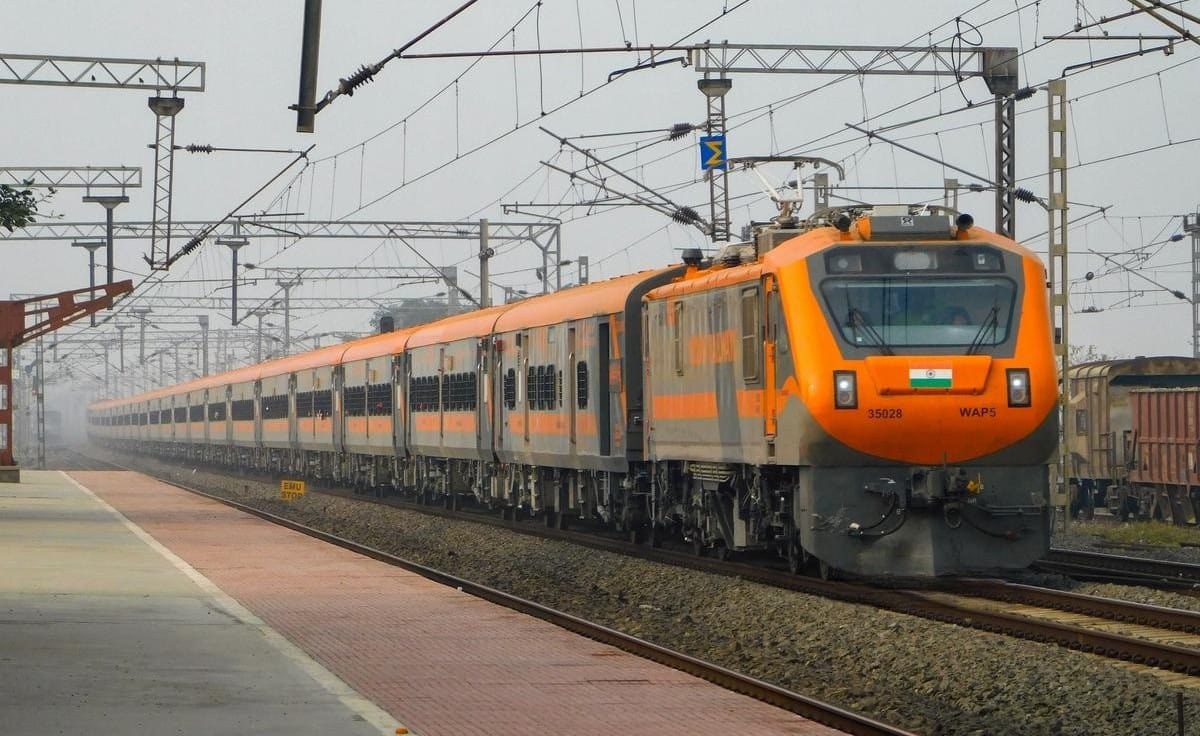
- India: ~132,000 km total; carries 11 billion passengers annually.
- Canada: ~49,400 km – large freight operations across vast land.
Top 10 Summary Table
| Rank | Country | Total Track (km) |
|---|---|---|
| 1 | United States | 293,500 |
| 2 | China | 155,000 |
| 3 | Russia | 85,500 |
| 4 | India | 132,000 |
| 5 | Canada | 49,422 |
| 6 | Germany | 39,400 |
| 7 | Australia | 36,000 |
| 8 | Brazil | 29,850 |
| 9 | France | 27,860 |
| 10 | Japan | 27,300 |
3. Trends & Growth in Global Rail Transport
High-Speed Rail Expansion
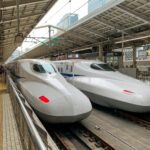
China leads with over 45,000 km of high-speed rail, expected to reach 50,000 km by 2025. India, Saudi Arabia, and the US are also investing in HSR.
Sustainability Focus
Electrified rails are reducing CO2 emissions. India has electrified 97% of its broad-gauge network.
Rail Tech Revolution
Railways are integrating AI, IoT, 5G, and predictive maintenance. Smart ticketing and real-time diagnostics are becoming industry standards.
4. Rail Freight & Passenger Volumes
- China: 3.66 billion passenger trips, 4.39 billion tonnes freight (2019)
- India: 11 billion passenger journeys, 1.4 billion tonnes freight
- USA: Largest global freight rail market by volume and value
5. What’s Trending on Google in 2025?
Search interest is peaking for terms like:
- “high speed rail network”
- “rail sustainability”
- “electrification of railways”
- “luxury rail journeys”
This signals growing awareness of eco-friendly travel and infrastructure upgrades.
6. Challenges & Future Outlook
Challenges: Modernization costs, labor disputes, and aging infrastructure.
Opportunities: Net-zero targets, hydrogen trains, and digital rail control systems.
Related posts:
 Navigating the Globe: An In-Depth Exploration of Road Networks in China, Germany, USA, India, Russia, Australia, and Brazil
 Worldwide High Speed Rail Networks
 Unveiling the Hidden Wonders of Indian Railways: Facts Beyond the Tracks
 The Race for Rail: How China Leads and India Learns in High-Speed Trains