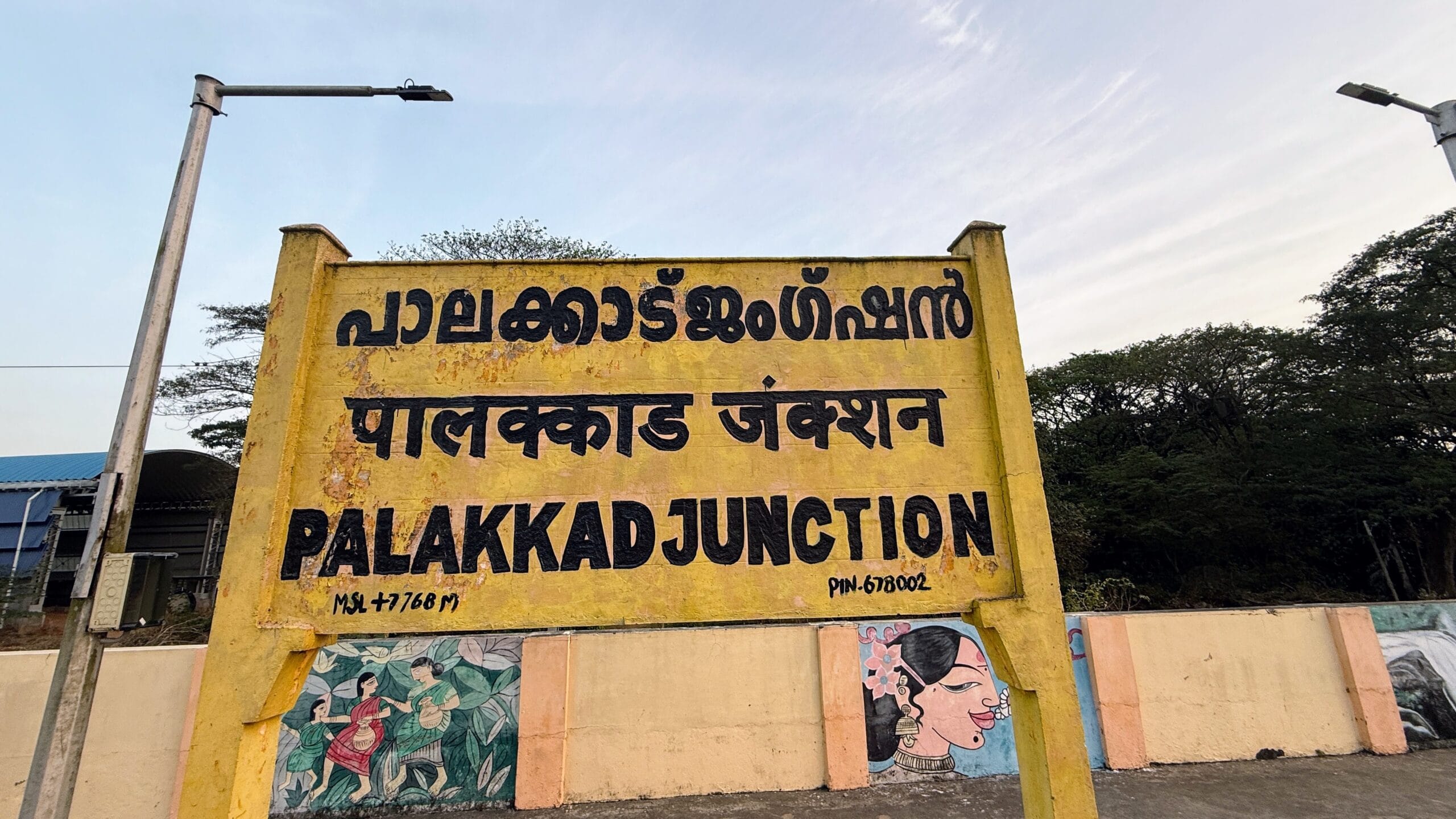
When you travel through southern India, few places capture the charm of old railway heritage and modern connectivity like Palakkad Junction Railway Station. Nestled in the heart of Kerala, this historic transport hub links the plains of Tamil Nadu with the green valleys of Kerala, serving as one of the state’s most important railway intersections.
A Historic Kerala Railway Station
The story of Palakkad Railway Station begins in the late 19th century, when the British built the first broad-gauge line through the Palakkad Gap — the only natural pass in the Western Ghats connecting Kerala with the rest of peninsular India. This geographical gateway made Palakkad the logical choice for establishing a key Kerala railway station that would handle both passenger and freight traffic.
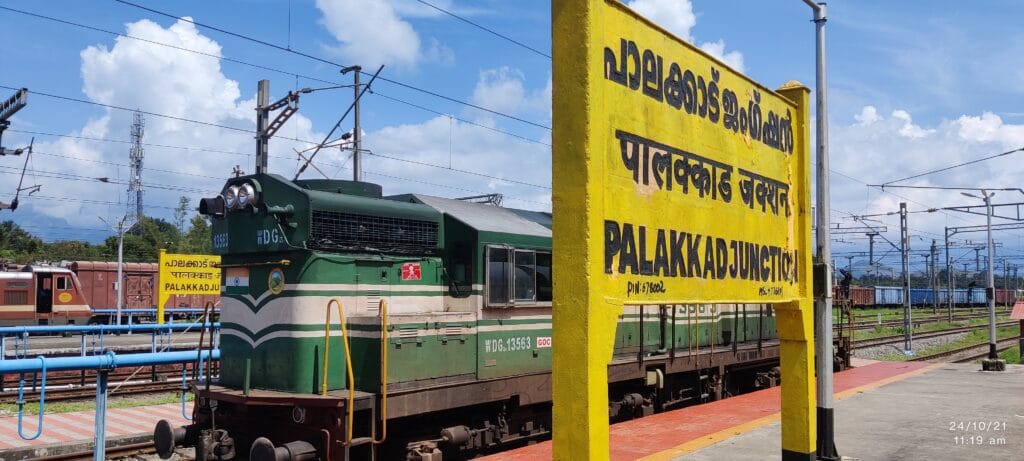
Over the years, Palakkad grew from a modest rail outpost to a full-fledged railway division headquarters under the Southern Railway Zone. Today, Palakkad Junction stands not just as a physical junction but as a cultural one — where the rhythm of the railways meets the laid-back charm of Kerala’s countryside.

Where Tradition Meets Modern Infrastructure
The Palakkad Junction Railway Station (station code: PGT) lies just 3 km from the city center and is a well-maintained station featuring six platforms and multiple freight lines. It serves as the meeting point for trains arriving from Coimbatore, Shoranur, and Pollachi, ensuring smooth east–west and north–south connectivity.
What makes Palakkad stand out among other Kerala railway stations is its unique dual identity: it balances the old-world aesthetic of Indian Railways — red-brick buildings, tiled roofs, and palm-lined approaches — with modern upgrades like LED displays, free Wi-Fi, and clean waiting halls.
The nearby Palakkad Town Station (PGTN), located on the Palakkad–Pollachi line, complements the main junction by handling local passenger trains and serving commuters from the nearby villages.
The Lifeline of Kerala’s Interior
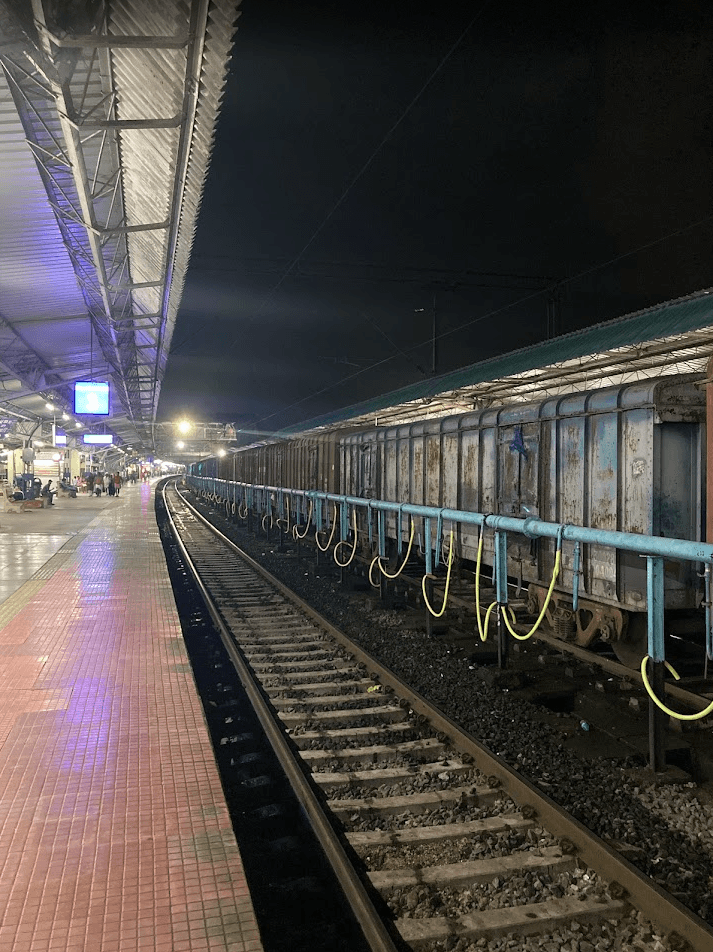
While coastal stations like Ernakulam and Thiruvananthapuram handle heavy inter-state traffic, Palakkad Junction plays an equally vital role as the inland gateway of Kerala. All freight trains carrying essential goods — food grains, cement, fertilizers, and petroleum — enter Kerala primarily through this route. The railway yards surrounding Palakkad railway station are constantly alive with the hum of WAG-12 electric locomotives and freight rakes bound for Shoranur, Kozhikode, and Mangalore.
For passengers, the station connects directly to India’s busiest corridors — the Chennai–Palakkad–Ernakulam line, the Palakkad–Madurai–Rameswaram route, and the Palakkad–Mangalore coastal line. Express services like the Kerala Express, Mangalore Mail, and Chennai–Palakkad Superfast underline its importance as a central node in South India’s rail map.
Engineering Feat Through the Palakkad Gap
The journey through the Palakkad Gap is among the most scenic rail experiences in southern India. As trains descend from the Coimbatore plateau into the fertile plains of Palakkad, passengers witness a panorama of mist-clad hills, wind farms, and paddy fields. This stretch is also a marvel of engineering — gradients, curves, and bridges designed to handle both passenger and freight trains at speed.
It’s this strategic location that led to the creation of one of the oldest and busiest railway divisions in Kerala, headquartered at Palakkad. The division covers more than 1,000 km of track, managing lines across Kerala, Tamil Nadu, and parts of Karnataka.
Palakkad: More Than Just a Railway Town
Around Palakkad Junction railway station, the town has evolved as a mini-ecosystem. Affordable hotels, vegetarian restaurants, and small eateries cater to travelers day and night. The station’s proximity to major tourist attractions like Malampuzha Dam, Tipu’s Fort, and Silent Valley National Park makes it a popular stop for tourists exploring the heart of Kerala.
Palakkad’s location also makes it a key railway spot for those traveling between the Malabar region and Tamil Nadu’s industrial towns like Coimbatore, Erode, and Salem. In fact, many commuters from Kerala work in these neighboring cities and depend on daily or weekend train services starting from Palakkad railway station.

Future Plans and Modernisation
The Indian Railways has ambitious plans for upgrading Palakkad Junction as part of its station redevelopment program. The proposal includes modern concourses, digital passenger information systems, and solar power installations. The Palakkad–Pollachi–Dindigul line, already converted to broad gauge and electrified, will soon see more express and MEMU services, strengthening regional connectivity.
Freight operations are being streamlined with a new goods terminal near Kanjikode, one of Kerala’s fastest-growing industrial zones. Together, these developments will make Palakkad Junction Railway Station not just an important transit point but a logistics hub that powers the economy of Kerala’s interior districts.
Why Palakkad Matters to Kerala’s Rail Future
In many ways, Palakkad Junction symbolizes the spirit of Kerala’s rail network — practical, scenic, and deeply rooted in its geography. It bridges linguistic, cultural, and economic divides between the Tamil and Malayalam-speaking regions, serving as the crossroads of two worlds.
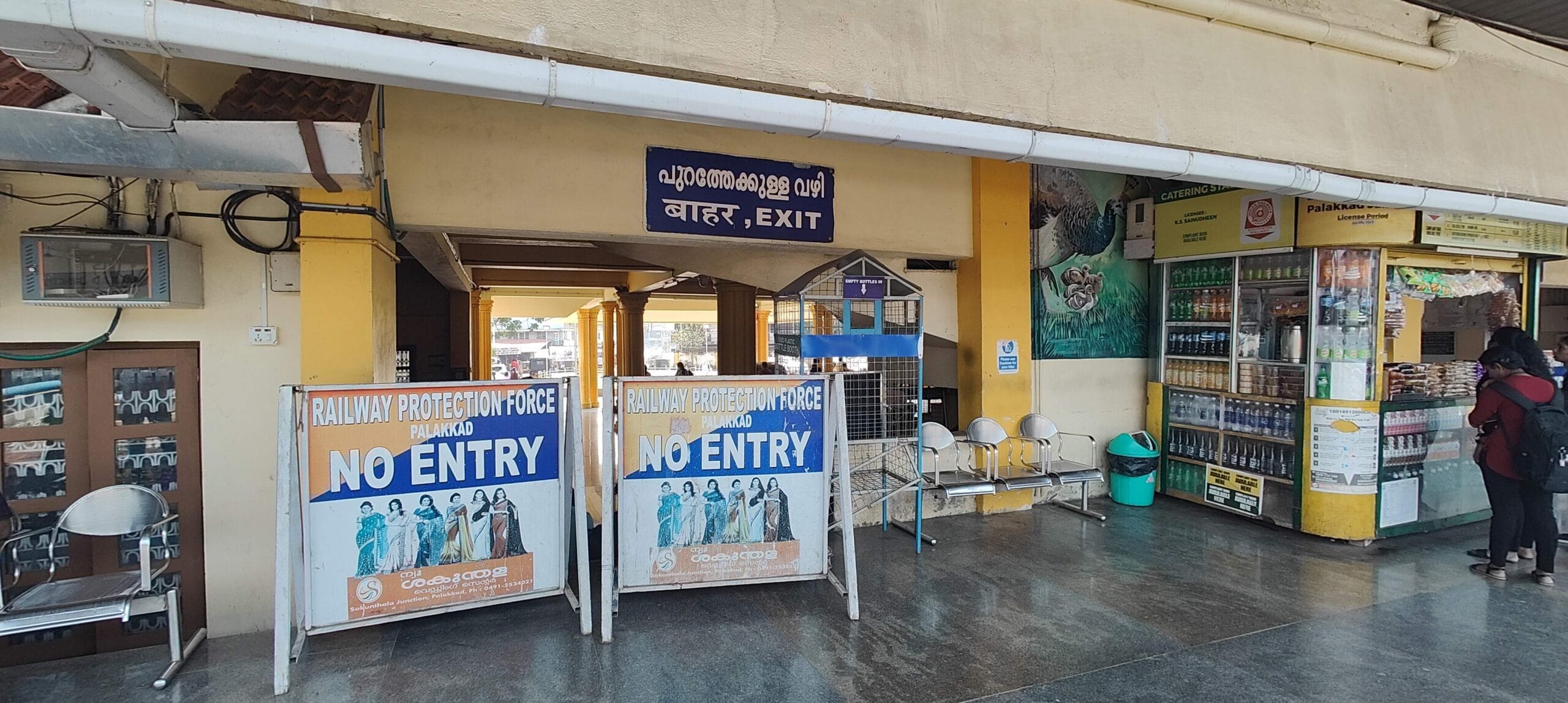
For rail enthusiasts, the sight of locomotives rolling past Palakkad’s green fields is a reminder of the seamless blend between technology and nature. For commuters, it’s the pulse of daily life. And for Kerala, it’s a proud link to the rest of India’s vast and vibrant railway system.