
Transportation in Palakkad has undergone a remarkable transformation over the past 150 years, evolving from bullock carts navigating dusty trails to electric trains racing through modern corridors.
The Early Days (Pre-1860s) Before the railway age, Palakkad relied on traditional transportation methods. Bullock carts dominated goods transport, while palanquins carried wealthy travelers. River transport along the Bharathapuzha provided an alternative route for heavy cargo.
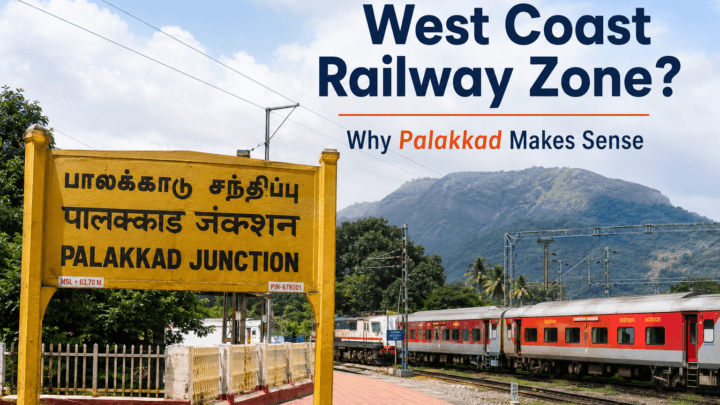
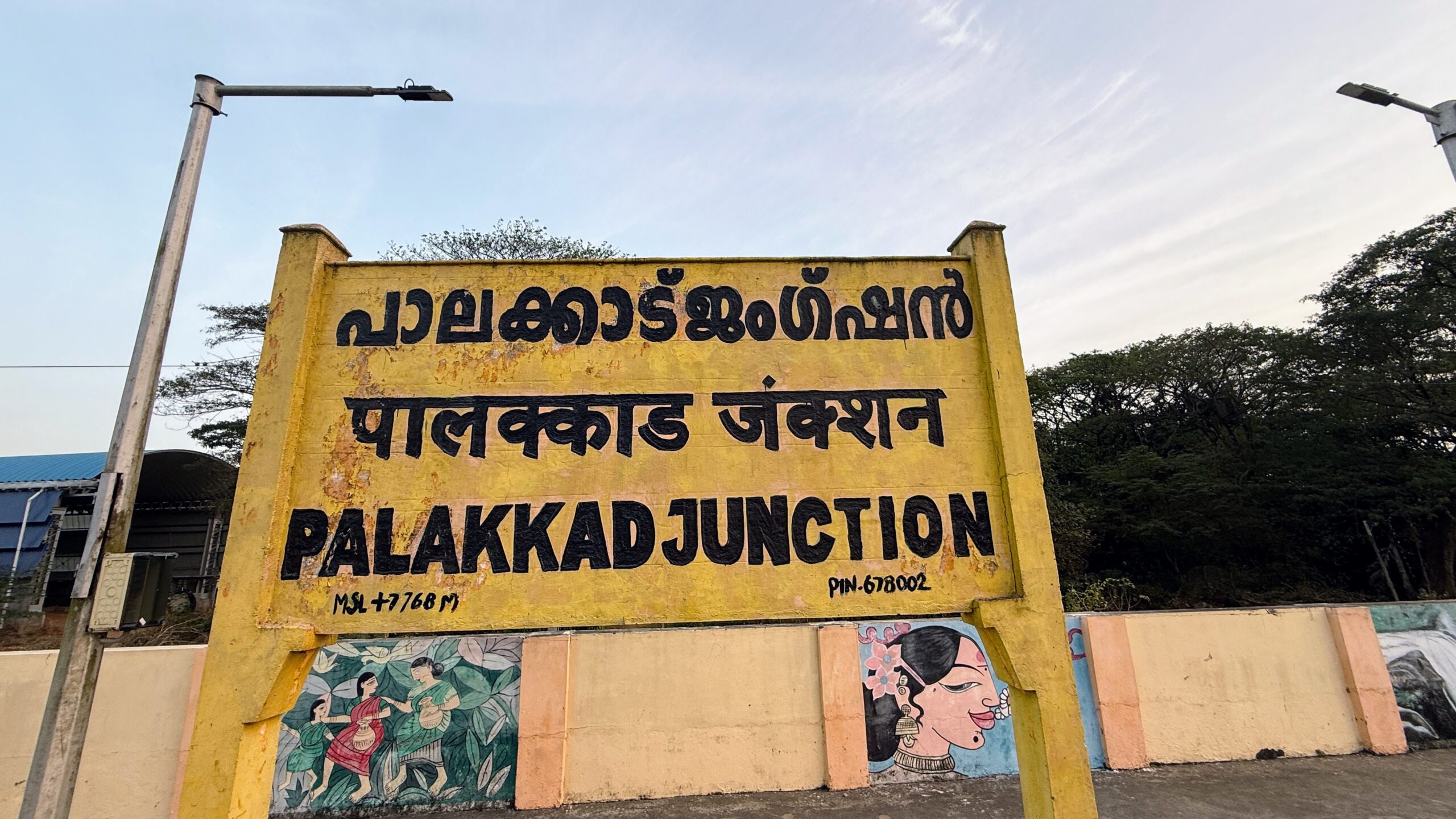
Railway Revolution (1860s-1920s) The arrival of railways marked a watershed moment. The Madras Railway Company extended its line through the Palakkad Gap in 1861, connecting the region to major commercial centers. This development transformed Palakkad from a sleepy town to a bustling junction.
Road Development Era (1930s-1980s) The construction of proper roads began during the British period and accelerated after independence. The Palakkad-Coimbatore road became a crucial link, supporting the growing automobile industry in Tamil Nadu.
Modern Transformation (1990s-Present) The liberalization era brought unprecedented changes. Highway development, railway electrification, and improved connectivity transformed the region’s economic landscape. Today’s Palakkad boasts multi-lane highways, electrified railway lines, and plans for high-speed rail corridors.
Future Vision Upcoming projects include highway expansions, semi-high-speed rail services, and sustainable transportation initiatives. Electric vehicle adoption and green transportation policies are shaping the next chapter of Palakkad’s transportation evolution.
This journey from animal-powered transport to electric mobility showcases human ingenuity and technological progress.
Related posts:
 Ernakulam – Palakkad MEMU | Fast & Efficient Mainline Electric Train | Indian Railways | Rail fans
 The Need for High-Speed Bullet Train Tracks in India: Unlocking the Future of Transportation
Trains vs. Planes: The Green Battle of Transportation
The Need for High-Speed Bullet Train Tracks in India: Unlocking the Future of Transportation
Trains vs. Planes: The Green Battle of Transportation
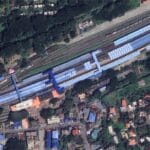 Palakkad Junction Railway Station Then & Now | 13 Years of Evolution (2010–2023)| Olavakkode India